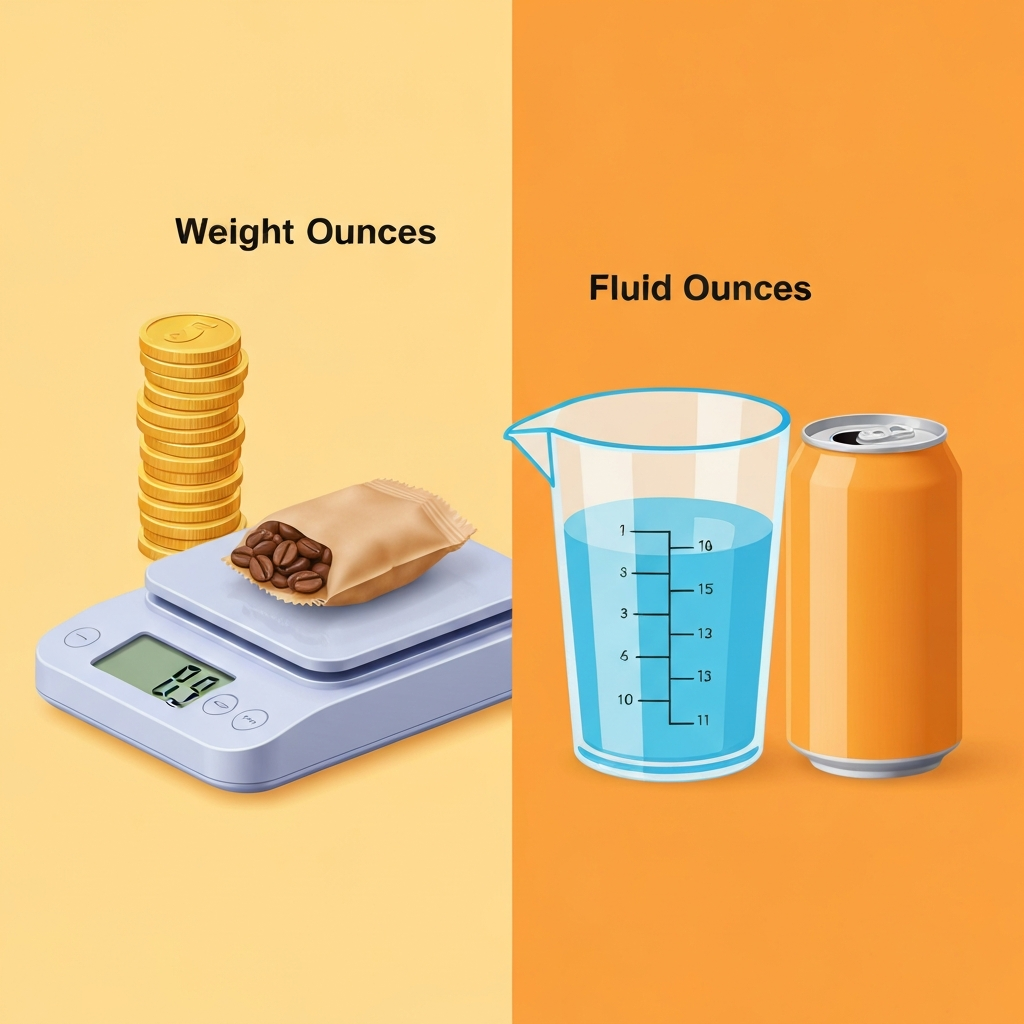
Did you know that the word “ounce” comes from the Latin word uncia, meaning “a twelfth part”? This ancient unit of measurement has evolved over time, but it remains a fundamental part of how we measure weight and volume in many parts of the world. Understanding what an ounce is can be incredibly helpful, whether you’re a baker following a recipe, a shopper comparing product sizes, or just curious about the world around you.
The Many Faces of the Ounce
The term “ounce” can refer to different things depending on the context. Primarily, it’s used as a unit of mass or weight, and also as a unit of volume.
Ounces as a Unit of Mass/Weight
When we talk about ounces in terms of weight, we’re usually referring to the avoirdupois ounce. This is the most common type of ounce used in the United States and some other countries.
- In the avoirdupois system, there are 16 ounces in one pound. This is the ounce you’ll find on food packaging, in grocery stores, and when weighing yourself on a scale. For example, a bag of chips might weigh 5 ounces, or a steak might be advertised as 8 ounces. This system is widely used for everyday weighing of goods.
- It’s important to note that there are other, less common ounce systems for weight. For instance, the troy ounce is used for precious metals like gold and silver. A troy ounce is slightly heavier than an avoirdupois ounce.
Ounces as a Unit of Volume
The ounce can also be a unit of liquid volume, most commonly seen in the United States customary system.
- The fluid ounce (fl oz) measures volume. A common conversion is that there are 8 fluid ounces in one US cup. This is the ounce you’ll see on beverage bottles, in measuring cups for liquids, and in recipes that call for ingredients like milk, water, or oil. For example, a soda can might contain 12 fluid ounces.
- It’s crucial to distinguish between weight ounces and fluid ounces. While they share the same name, they measure different properties. A cup of flour (measured by volume) will weigh differently than a cup of sugar (also measured by volume) because their densities vary. This is why understanding whether you need to measure by weight or volume is key in cooking and baking. If you’re ever unsure about conversions, knowing how many tablespoons are in an ounce can be a helpful step in the kitchen.
Converting Ounces
Understanding conversions is where the practical application of knowing what an ounce is really shines.
- Weight Conversions: As mentioned, 16 avoirdupois ounces equal 1 pound. To convert ounces to pounds, you would divide the number of ounces by 16. For example, 32 ounces is equal to 2 pounds (32 / 16 = 2). For more detailed weight measurements and conversions, resources like those found on NIST’s website can provide extensive information.
- Volume Conversions: In the US customary system, 1 fluid ounce is approximately 29.57 milliliters. This is a key conversion when dealing with international recipes or products. Understanding these volume conversions is vital for accurate cooking and baking.
Conclusion
The ounce, whether for weight or volume, is a persistent and useful unit of measurement. Recognizing whether you’re dealing with an avoirdupois ounce, a troy ounce, or a fluid ounce will help you accurately measure ingredients, understand product sizes, and navigate recipes with confidence. Remembering the basic relationships, like 16 ounces in a pound or 8 fluid ounces in a cup, will make your everyday tasks much smoother. For a broader understanding of measurement systems, resources like Wikipedia’s page on Units of Measurement offer a comprehensive overview.
Frequently Asked Questions About Ounces
How many ounces are in a pound?
There are 16 ounces in one avoirdupois pound. This is the standard for most everyday weight measurements.
What’s the difference between an ounce and a fluid ounce?
An ounce (avoirdupois) measures weight or mass, while a fluid ounce measures volume or how much space something takes up. They are not interchangeable.
Are ounces the same everywhere in the world?
No. While the avoirdupois ounce is common in the US, other countries use the metric system (grams and kilograms) for weight and liters and milliliters for volume. The troy ounce is specifically used for precious metals.
How do I convert fluid ounces to cups?
In the US customary system, there are 8 fluid ounces in 1 cup. So, to convert fluid ounces to cups, you would divide the number of fluid ounces by 8.