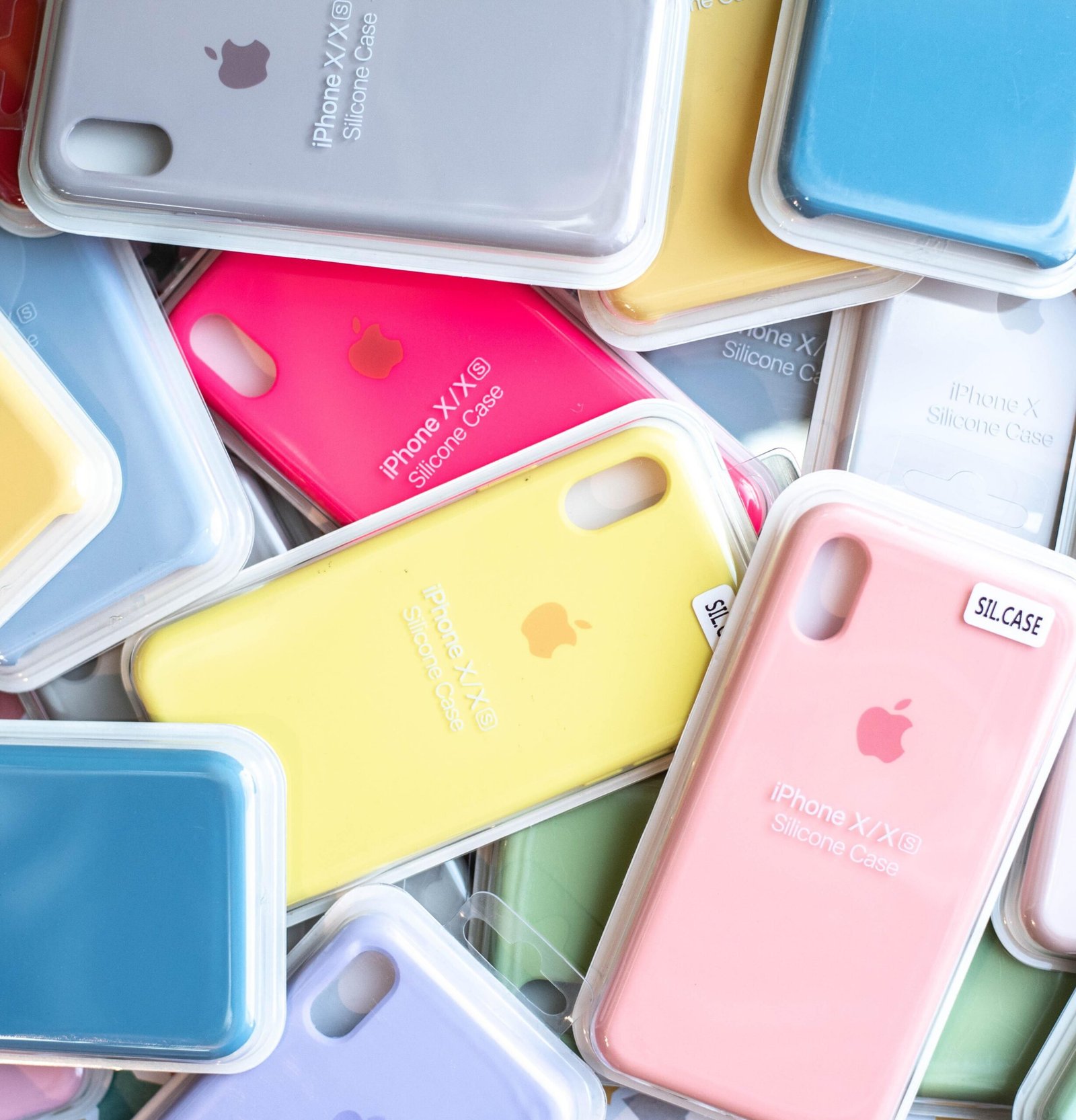
The Essential Role of a Phone Case
A phone case serves as your device’s first line of defense against the inevitable wear and tear of daily use. Drops, bumps, and scratches can lead to costly repairs or even permanent damage, even if the screen appears intact after a fall. Investing in a quality case is a straightforward way to safeguard your valuable device and extend its lifespan. For a curated selection of popular options, consider exploring iPhone 17 Pro Max case.
Exploring Common Case Materials
The material of a phone case significantly influences its protective qualities, feel, and durability. Understanding these options will help narrow down your choices:
- Silicone: Known for its flexibility and soft texture, silicone cases offer a comfortable grip and good protection against minor impacts and scratches.
- TPU (Thermoplastic Polyurethane): A slightly more rigid material than silicone, TPU provides an excellent balance of flexibility and toughness. It’s also resistant to oils and abrasions.
- Polycarbonate (Hard Plastic): These cases are typically slim, offering robust defense against scratches and moderate drops while maintaining your phone’s sleek profile.
- Leather: For a premium look and feel, leather cases offer decent protection and develop a unique character over time. However, they can be more susceptible to scuffs than other materials.
- Hybrid Cases: Many manufacturers combine materials, such as a polycarbonate shell with a TPU bumper, to deliver comprehensive protection by leveraging the strengths of each component.
Crucial Features to Evaluate
Beyond the material, several features enhance a case’s practicality and protective capabilities:
- Protection Level: If you’re prone to dropping your phone, prioritize cases with reinforced corners, raised bezels to shield the screen and camera lenses, and military-grade drop-test certifications.
- Grip: A secure grip is paramount to preventing accidental drops. Look for cases with textured surfaces or materials that offer enhanced traction.
- Form Factor: Decide whether you prefer a slim, pocket-friendly design or a bulkier case that offers maximum impact resistance.
- Added Functionality: Some cases offer practical extras like integrated kickstands for convenient viewing, card slots for essential items, or MagSafe compatibility for seamless wireless charging and accessory attachment.
- Aesthetics: Your case is a personal statement. Choose from a wide array of styles, from minimalist clear cases that showcase your phone’s design to vibrant colors and unique patterns.
Finalizing Your Decision
Your daily routine should heavily influence your case selection. If your lifestyle involves frequent travel or rough handling of your phone, prioritize rugged protection. Conversely, if your device spends most of its time in a bag or on a desk, a slim and stylish option might suffice. Consider how the case feels in your hand and whether its features genuinely add value to your user experience. A well-chosen case not only protects your smartphone but also complements its use.
Frequently Asked Questions
Q1: How do I clean my phone case?
Cleaning methods depend on the material. Silicone and TPU cases can typically be wiped with a damp cloth and mild soap. Leather cases require specialized cleaners and conditioners. Always consult the manufacturer’s guidelines if available.
Q2: Will a bulky case affect wireless charging?
Most slim to moderately thick cases made from standard materials do not impede wireless charging. However, exceptionally thick cases or those containing metal elements might cause interference. MagSafe-compatible cases are specifically designed for optimal performance with MagSafe chargers.
Q3: What’s the difference between a bumper case and a full case?
A bumper case primarily protects the edges of the phone, leaving the back exposed. A full case covers both the back and the sides, offering more complete protection against a wider range of potential damage.
Q4: How often should I replace my phone case?
Replace your case when it shows significant signs of wear, such as cracks, deep scratches, or a loss of grip. If the case no longer fits securely or its protective integrity appears compromised, it’s time for a replacement.